Biotic and Abiotic Interactions
Free to teach as-is — the teacher guide, student handout, and slides are included.
Free — we'll email you an access link. Google Docs format.
Objective
I can describe the interactions between biotic and abiotic factors in an ecosystem.
Part 1 of 4
Warm-up video
Bozeman Science · 10:06Vetted channel
We don't generate video — this one is by Bozeman Science on YouTube. The practice questions and exit ticket below were drafted by AI for this objective, and every question is editable in the teacher guide.
Part 2 of 4
Key concepts
3 concepts
- 1
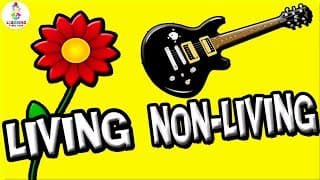
Biotic factors are living things that affect populations, while abiotic factors are non-living things.
- 2
In a predator-prey relationship, such as the one between the snowshoe hare and Canada lynx, the population of the prey affects the population of the predator, and vice versa.
- 3
The reintroduction of wolves into Yellowstone Park dramatically impacted the ecosystem by reducing the elk population and allowing aspen and willow populations to recover.
Part 3 of 4
Practice
7 questions
Define the terms 'biotic' and 'abiotic' and provide one example of each that was NOT mentioned in the video.
How do abiotic factors influence the formation of biofilms?
Part 4 of 4
Exit ticket
Quick comprehension check
“Give an example of how a biotic factor can affect an abiotic factor in the Yellowstone ecosystem, based on the video.”
Sample answer included in the free materials
Get the materials
Teacher guide, student handout, and slides — free, in Google Docs format
Teacher Guide
Complete lesson plan with answer keys and alternate activities
Student Handout
Printable worksheet
Slides
Ready to present
We'll ask for your email to send your access link — nothing else.
Teaching a group at a different level?
Where are your students right now? We'll rebuild this lesson to match — including the teacher guide, student handout, and slides, saved to your Google Drive.
Adapt This Lesson