Biotic and Abiotic Interactions
Free to teach as-is — the teacher guide, student handout, and slides are included.
Free — we'll email you an access link. Google Docs format.
Objective
I can analyze the interactions between biotic and abiotic factors in an ecosystem.
Part 1 of 3
Key concepts
3 concepts
- 1
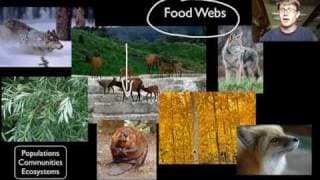
Biotic factors are the living components of an ecosystem, while abiotic factors are the non-living components.
- 2
Plants convert sunlight into chemical energy through photosynthesis, and this energy is transferred to consumers when they eat plants or other animals.
- 3
Water availability, temperature, and soil composition are abiotic factors that significantly influence the types of organisms that can survive in an ecosystem.
Part 2 of 3
Practice
7 questions
Define the terms 'biotic' and 'abiotic' and provide two examples of each within a forest ecosystem.
Explain how energy flows through an ecosystem, starting with the primary producers. What role do decomposers play in this process?
Part 3 of 3
Exit ticket
Quick comprehension check
“Describe one interaction between a biotic factor and an abiotic factor in an ecosystem, and explain how this interaction is important for the ecosystem's health.”
Sample answer included in the free materials
Get the materials
Teacher guide, student handout, and slides — free, in Google Docs format
Teacher Guide
Complete lesson plan with answer keys and alternate activities
Student Handout
Printable worksheet
Slides
Ready to present
We'll ask for your email to send your access link — nothing else.
Teaching a group at a different level?
Where are your students right now? We'll rebuild this lesson to match — including the teacher guide, student handout, and slides, saved to your Google Drive.
Adapt This Lesson