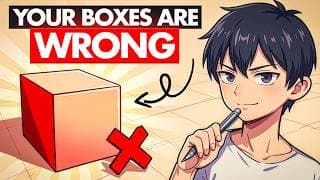
Digital Shading
Free to teach as-is — the teacher guide, student handout, and slides are included.
Free — we'll email you an access link. Google Docs format.
Objective
I can use a digital art program to create a shaded sphere, demonstrating an understanding of light source and tonal values.
Part 1 of 3
Warm-up video
Unknown Channel · 5:00
We don't generate video — this one is by Unknown Channel on YouTube. The practice questions and exit ticket below were drafted by AI for this objective, and every question is editable in the teacher guide.
Part 2 of 3
Practice
7 questions
Define "form shadow" and "cast shadow" as they relate to digital shading, and explain the key difference between them.
Explain why shadows are not simply darker versions of the direct light, according to the video. What factors influence the color and saturation of shadows?
Part 3 of 3
Exit ticket
Quick comprehension check
“Describe the colors you would use to shade a white sphere in a digital art program if the direct light source is yellow and the surrounding environment is a blue room. Explain your color choices for the form shadow, cast shadow, and bounce light. Imagine you are digitally painting a white sphere. The direct light is white, and the sphere is sitting on a green surface. Explain how you would use ambient light, direct light, and bounce light to shade the sphere, describing the colors and their placement. You are creating a digital painting of a white sphere in a room with orange walls and a white light source. Explain how the color of the walls would influence the shading of the sphere, specifically addressing the color of the ambient light and bounce light.”
Sample answer included in the free materials
Get the materials
Teacher guide, student handout, and slides — free, in Google Docs format
Teacher Guide
Complete lesson plan with answer keys and alternate activities
Student Handout
Printable worksheet
Slides
Ready to present
We'll ask for your email to send your access link — nothing else.
Teaching a group at a different level?
Where are your students right now? We'll rebuild this lesson to match — including the teacher guide, student handout, and slides, saved to your Google Drive.
Adapt This Lesson