How Viruses Multiply
Free to teach as-is — the teacher guide, student handout, and slides are included.
Free — we'll email you an access link. Google Docs format.
Objective
I can describe the structure of a virus and the basic pattern of how a virus infects a cell, replicates and spreads
Part 1 of 4
Warm-up video
Amoeba Sisters · 6:49Vetted channel
We don't generate video — this one is by Amoeba Sisters on YouTube. The practice questions and exit ticket below were drafted by AI for this objective, and every question is editable in the teacher guide.
Part 2 of 4
Key concepts
3 concepts
- 1
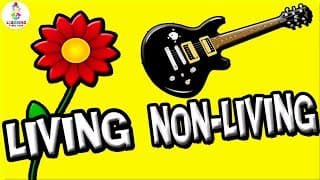
Viruses are not cells and are technically not classified as living things because they lack many characteristics of life.
- 2
All viruses have some type of genetic material, either DNA or RNA, and a protein coat called a capsid.
- 3
Viruses replicate by attaching to a host cell and injecting their genetic material, then using the cell's resources to make copies of the virus through the lytic or lysogenic cycle.
Part 3 of 4
Practice
3 questions
Describe the basic structure of a virus. What components are always present?
Explain the difference between the lytic and lysogenic cycles of viral replication.
Part 4 of 4
Exit ticket
Quick comprehension check
“Describe the basic structure of a virus, including the function of the capsid. Also, briefly explain the two main viral replication cycles: the lytic and lysogenic cycles.”
Sample answer included in the free materials
Get the materials
Teacher guide, student handout, and slides — free, in Google Docs format
Teacher Guide
Complete lesson plan with answer keys and alternate activities
Student Handout
Printable worksheet
Slides
Ready to present
We'll ask for your email to send your access link — nothing else.
Teaching a group at a different level?
Where are your students right now? We'll rebuild this lesson to match — including the teacher guide, student handout, and slides, saved to your Google Drive.
Adapt This Lesson